
Upcoming Shows

Artists: ARLO PARKS · BAIRD
with BAIRD
| 8:00 PM show

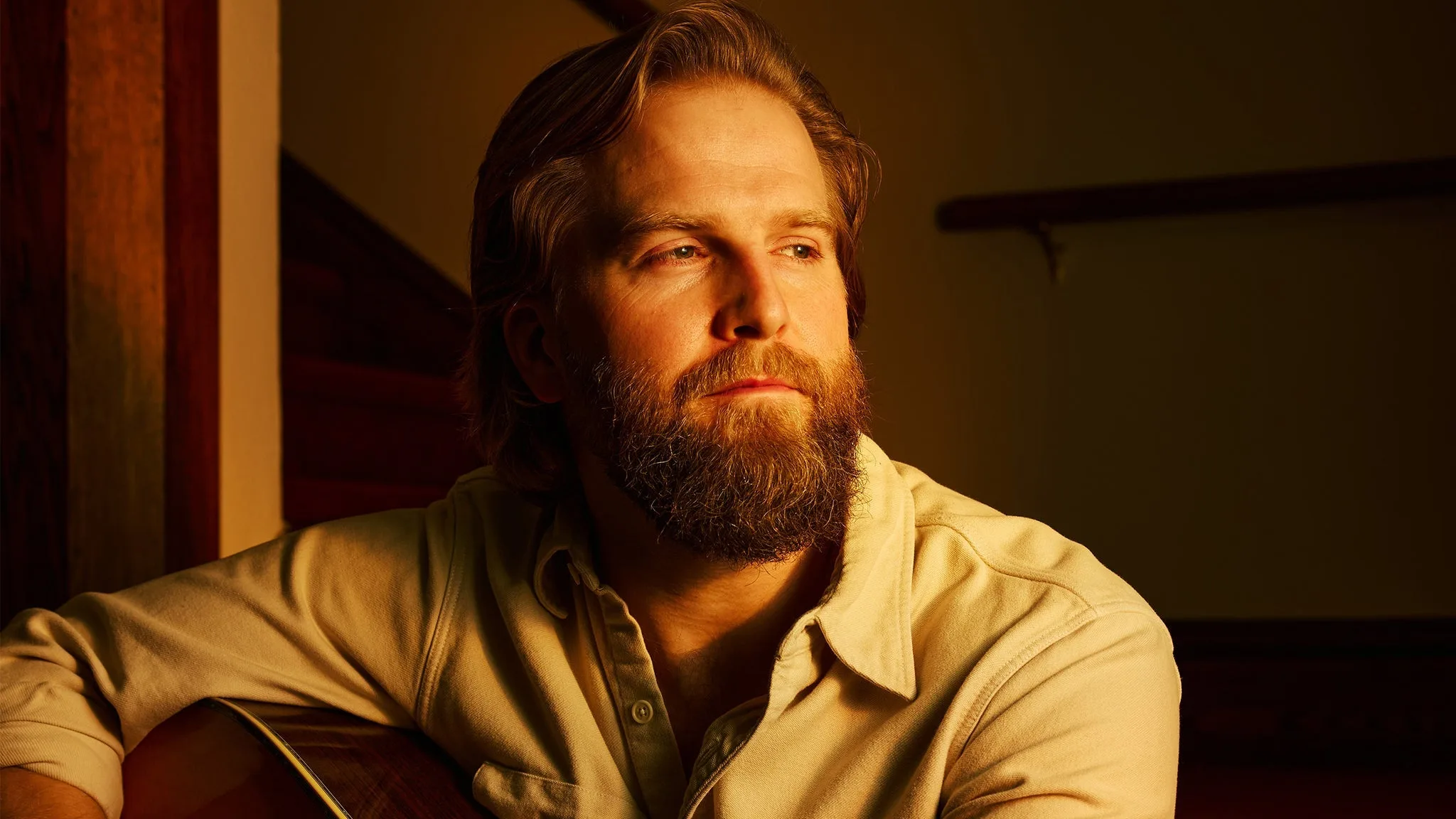
Artists: Charles Wesley Godwin · Lily Fitts
with Lily Fitts
| 8:00 PM show
Artists: Find TicketsSilent Movie Mondays - Dr. Jekyll · Mr. Hyde, 2026-10-26, 7:30 p.m.
| 7:30 PM show
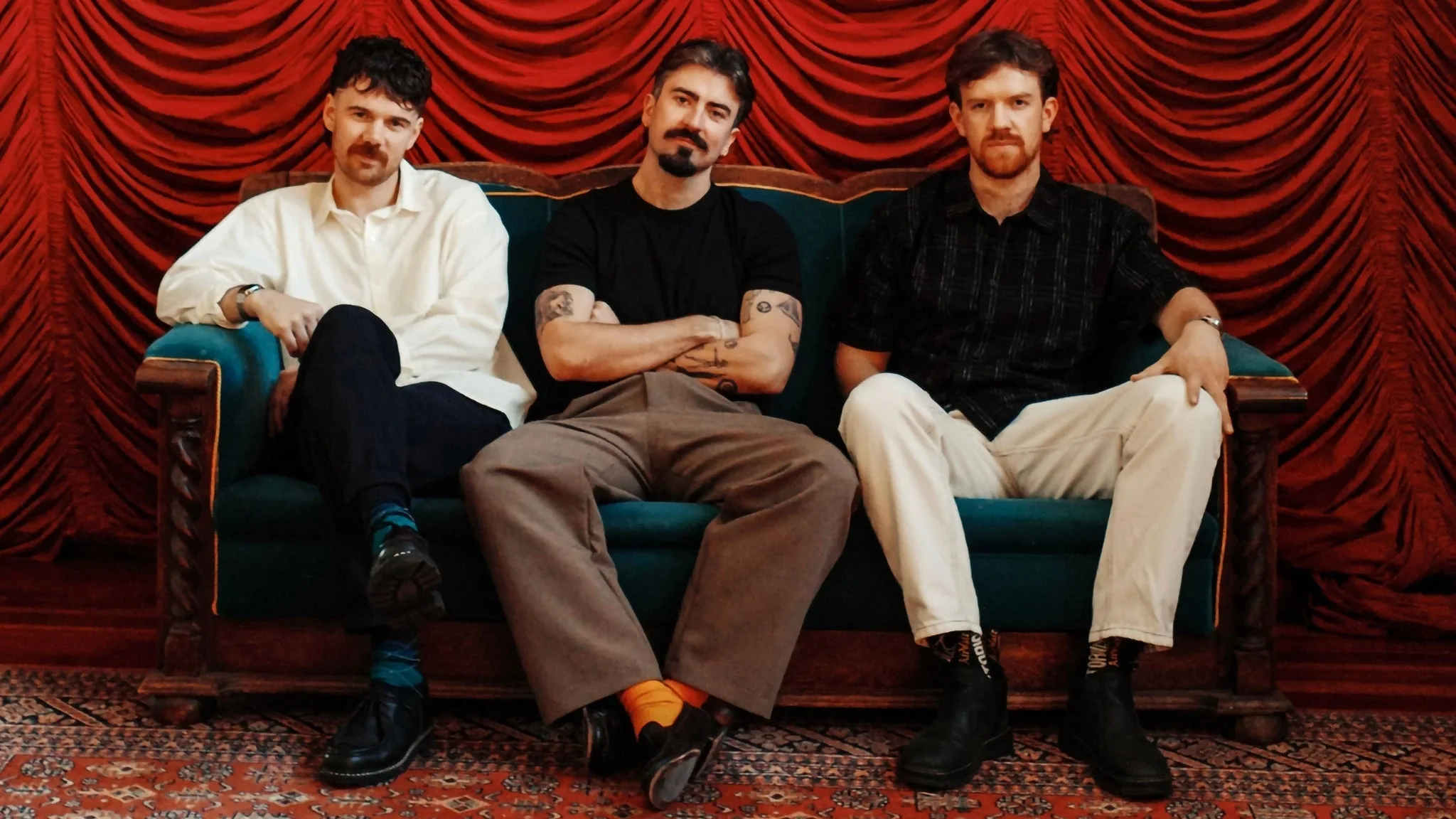
Artists: Amble · Vincent Lima
with Vincent Lima
| 8:00 PM show

| 7:30 PM show
Artists: Jann Arden · Her Holiday Orchestra
| 7:30 PM show
Artists: An Evening · Lord Huron
with Lord Huron
| 8:00 PM show
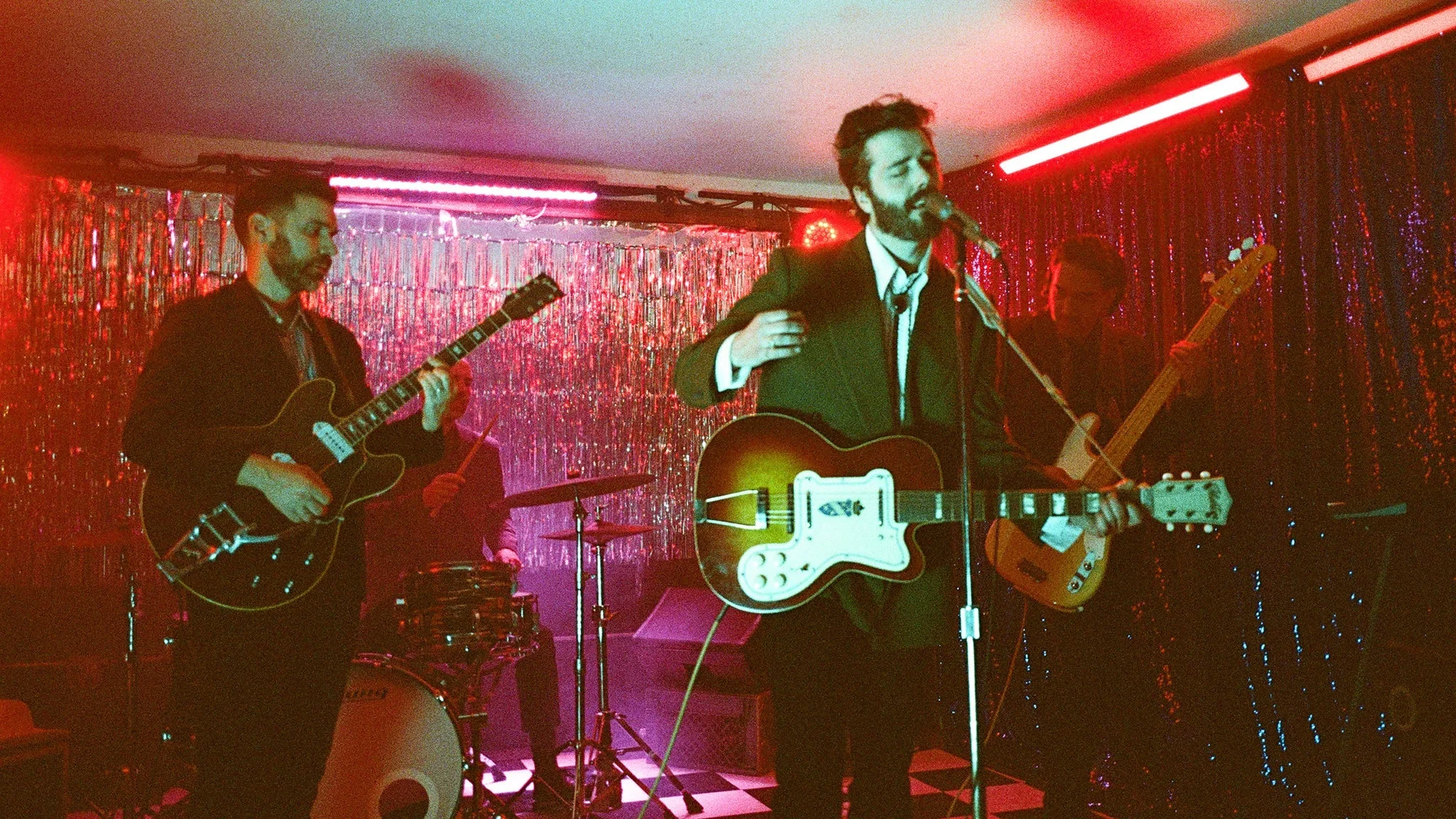
Artists: An Evening · Lord Huron
with Lord Huron
| 8:00 PM show
Updated nightly · last refreshed
A Movie Palace the City Refused to Lose
The Orpheum opened in 1927 as a movie palace, one of seventeen grand Canadian houses built by the Chicago-based Orpheum Circuit and designed by Seattle architect B. Marcus Priteca. When Famous Players moved to carve it into a multiplex in the early 1970s, a public "Save the Orpheum" campaign pushed the City of Vancouver to buy the building in 1974. It closed for restoration in late 1975 and reopened in April 1977 as the permanent home of the Vancouver Symphony Orchestra, then earned designation as a National Historic Site of Canada in 1979.
Home of the Symphony
Vancouver Civic Theatres, a City of Vancouver department, runs the roughly 2,672-seat Orpheum alongside the Queen Elizabeth Theatre and Vancouver Playhouse. It is the city's flagship concert hall and the home stage of the Vancouver Symphony Orchestra, with a calendar that also takes in touring concerts and comedy. The room is fully seated and fixed-row, with no standing floor.
Stage and Sightlines
Priteca's design set a deep cantilevered balcony with angled seating in a proscenium auditorium once counted the largest in Canada. The 1975 to 1977 restoration enlarged the stage and built a permanent acoustic shell around it, retuning the room for symphonic sound. Orchestra and balcony levels frame a deep proscenium stage.
Chandelier, Mural, and a Living Wurlitzer
A roughly five-metre crystal chandelier and a sprawling ceiling mural crown the dome; original mural artist Tony Heinsbergen came back in the 1970s, at age 82, to retouch his own work. The theatre still keeps its 1927 Wurlitzer pipe organ on a working hydraulic lift, partially restored by volunteers in 2017 for the venue's 90th anniversary and cited as the only theatre organ in Canada still in its original home.